
Category: Modine EV
-
What You Need to Know: Fail-Safe Operation of Fans

Fail-Safe operation is crucial for commercial electric vehicle (EVs) fan cooling systems, providing reliable and safe cooling performance. Modine’s patented fail-safe feature, incorporated in the Fan/Master Controller System, provides a proven solution for maintaining optimal temperatures and preventing overheating in commercial EVs. With over 11,700 units shipped since 2013 and strong field history, Modine’s fail-safe…
-
Celebrating 107 years at Modine
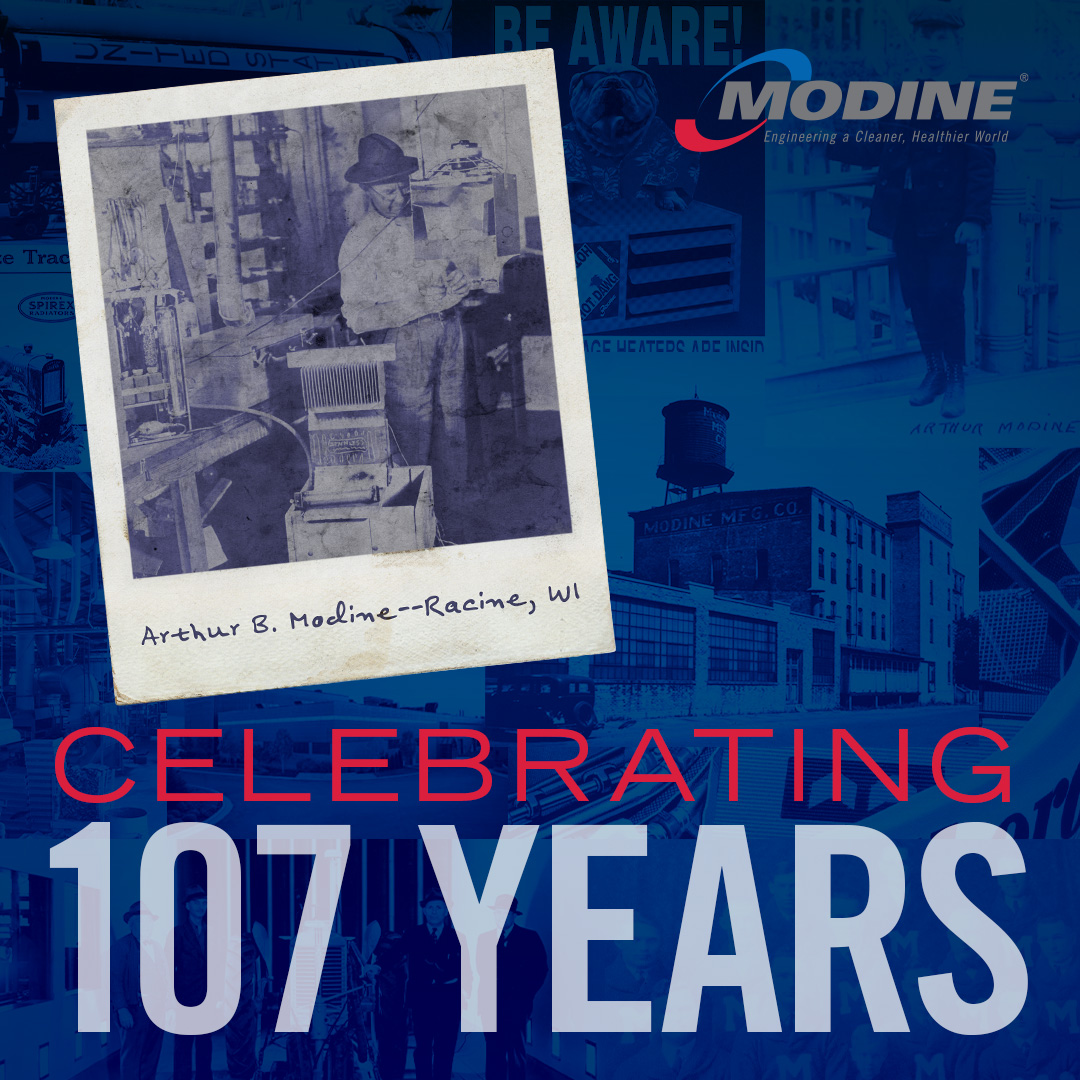
Today we are celebrating Modine’s 107th anniversary. We started as a small company in Racine, WI, and have grown to a global organization touching over 26 countries around the globe. Our story begins with an innovative gentleman named Arthur B. Modine. In 1916 Arthur B. Modine assessed the limitations of the radiators in the market…
-
Year Anniversary of the Modine EVantage Product Line

On May 17, 2022, Modine® Manufacturing Company launched its first thermal management systems portfolio for zero-emission mobility. Over this past year, the Modine EVantage™ product portfolio has grown and was integrated into many zero-emissions commercial vehicles. With two additional product releases since the portfolio’s introduction and three successful customer thermal system integrations, the Modine EVantage™…
-
Behind the Scenes: Wind Tunnel Testing
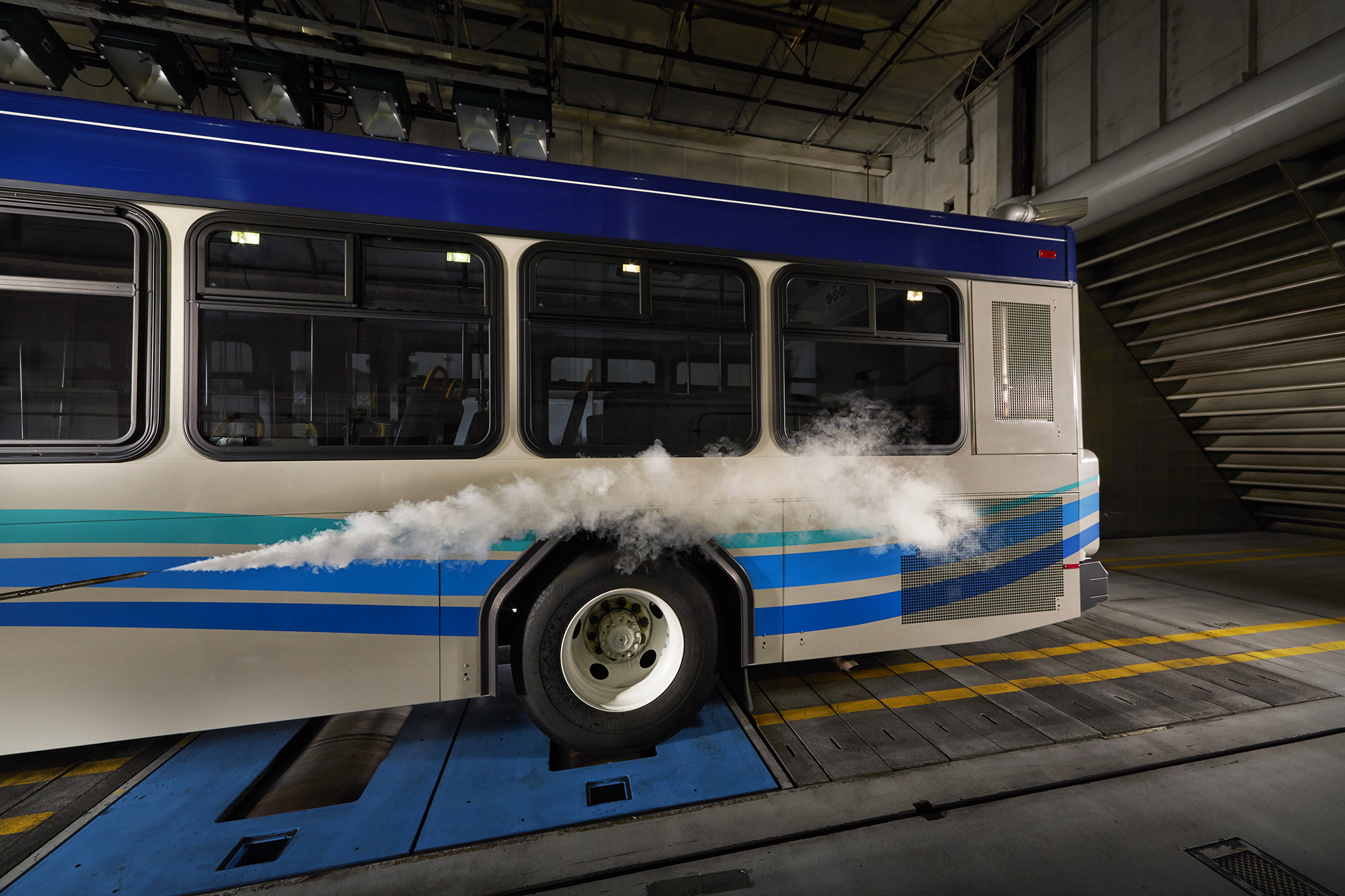
Wind tunnels are facilities that simulate real-world conditions of how air passes around an object. Designers and engineers use wind tunnel testing to study and assess the aerodynamics and climatic wind impact around objects and to validate the performance, efficiency, and durability of their designs. Since 1941, Modine has employed wind tunnels in the development…
-
How It Works: Fuel Cell Stack Cooling Package (FC-SCP)
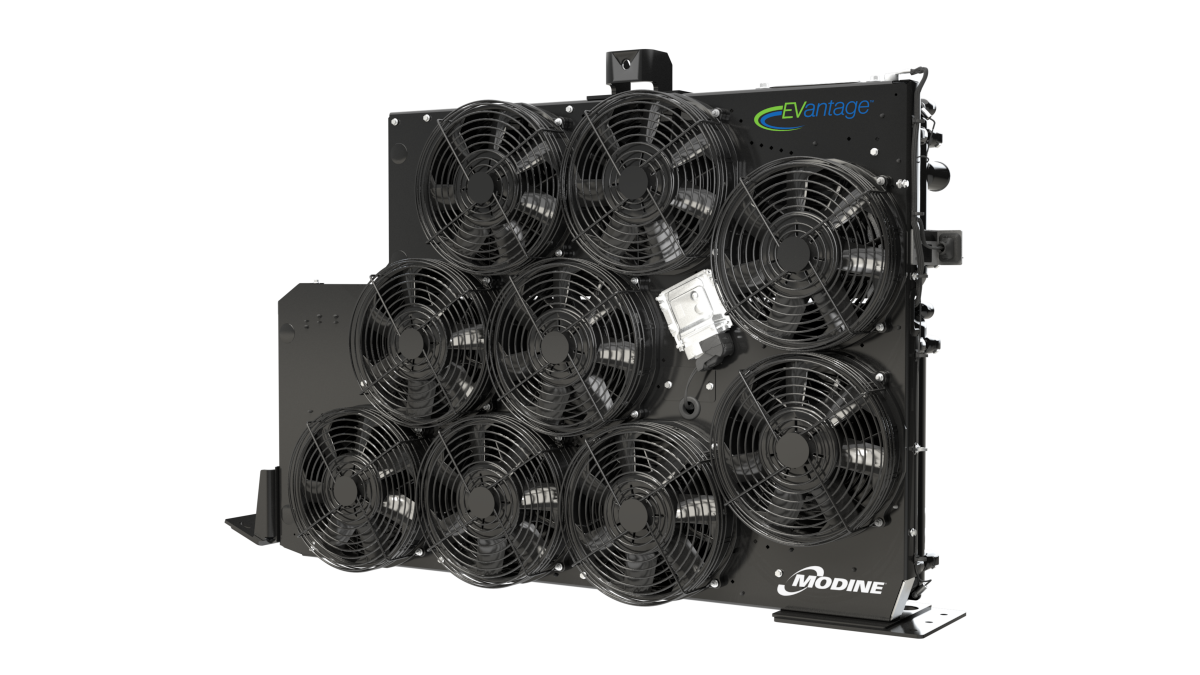
As the push to zero-emission mobility continues, the integration of a fuel cell stack to extend the range of a Commercial Electric Vehicle is gaining traction. Simplistically, a fuel cell is an electrochemical cell that converts the chemical energy from a hydrogen fuel to electricity through an electrochemical reaction with oxygen or other oxidizing agent.…
-
Thermal Management Differences between ICE and Electric Vehicles
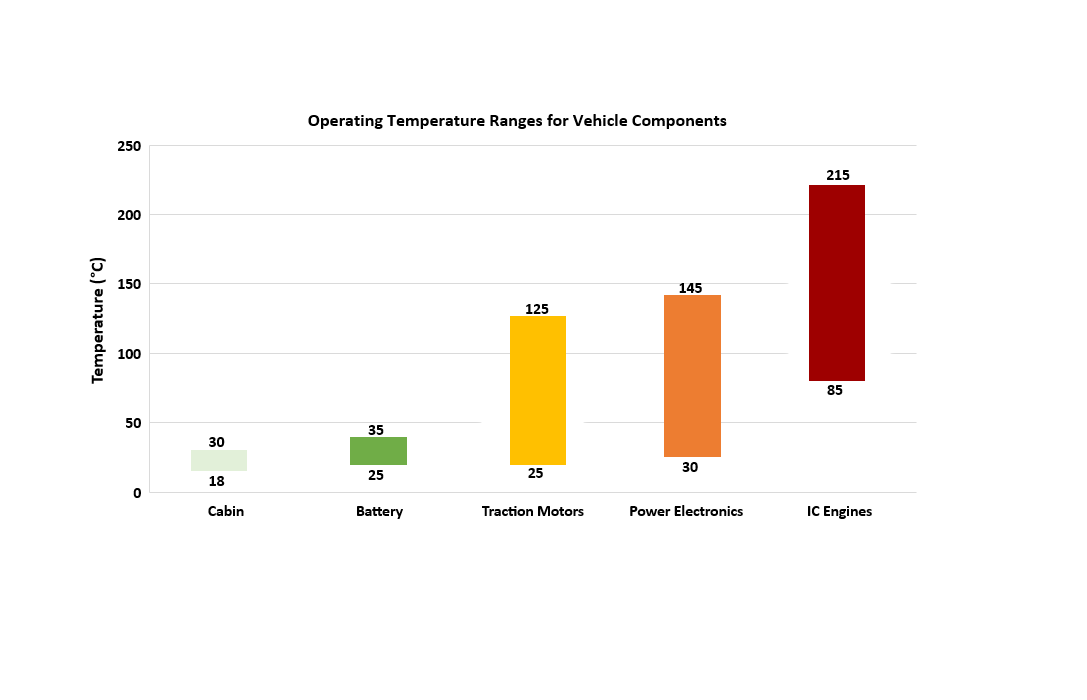
As the transportation industry is transitioning from Internal Combustion Engines (ICE) to Electric Vehicles (EV), commercial and specialty vehicle Original Equipment Manufacturers (OEMs) are focusing on bringing their electric vehicle platforms to market. These OEMs aren’t just facing marginal engineering decisions but near-revolutionary ones. One particular area of the challenge has been how to efficiently…
-
The U.S.’s Commitment to Zero Emissions for Commercial Vehicles
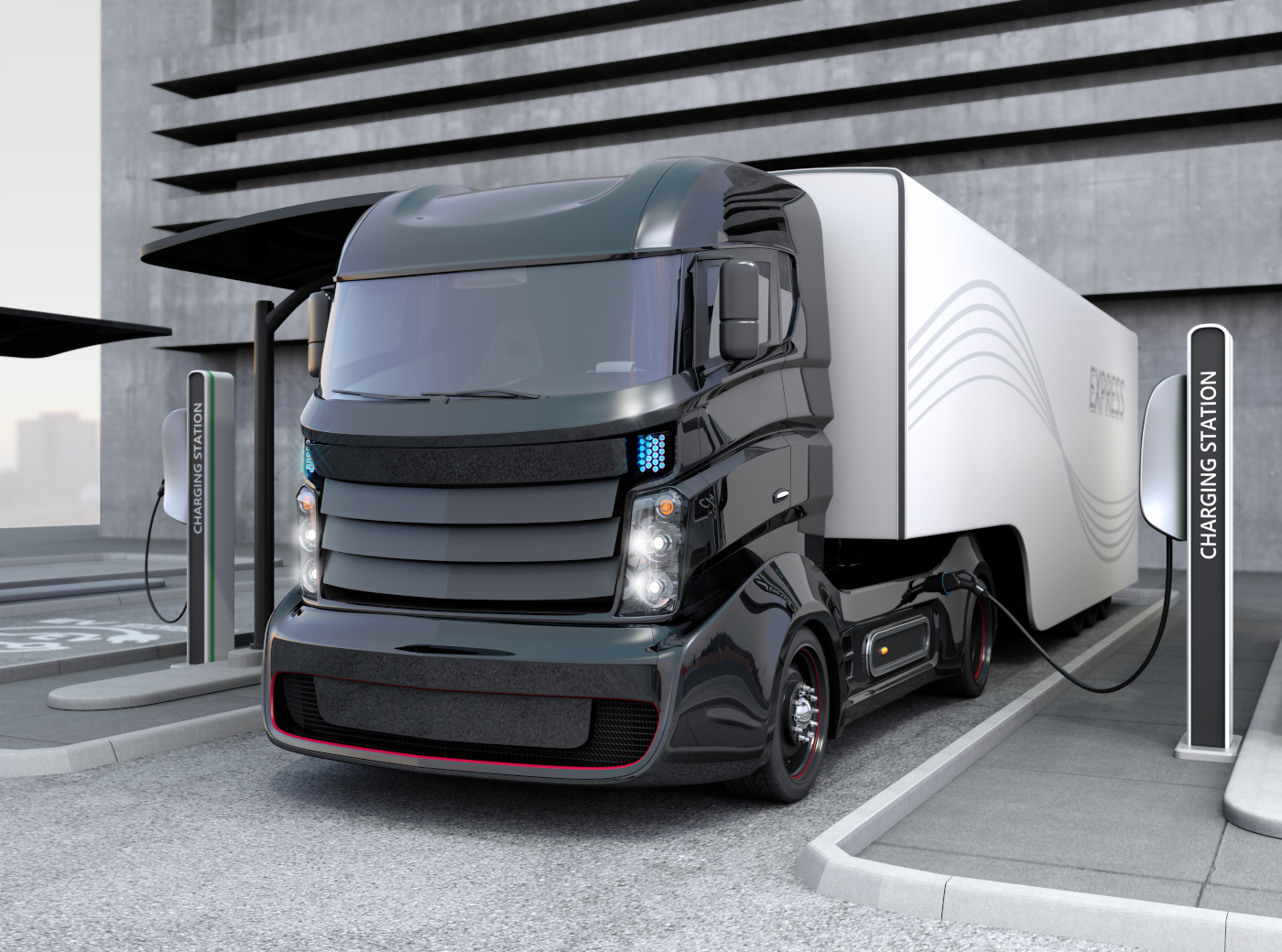
Today medium- and heavy-duty vehicles (MHDV) account for 10% of the vehicles on the road but contribute to 28% of emissions for transport in the U.S. With the U.S. government aware of these statistics and its impact on the environment, the U.S. government has taken action to reduce emissions by establishing legislation and funding organizations…
-
What You Need to Know: Thermal Management for Commercial Electric Vehicles
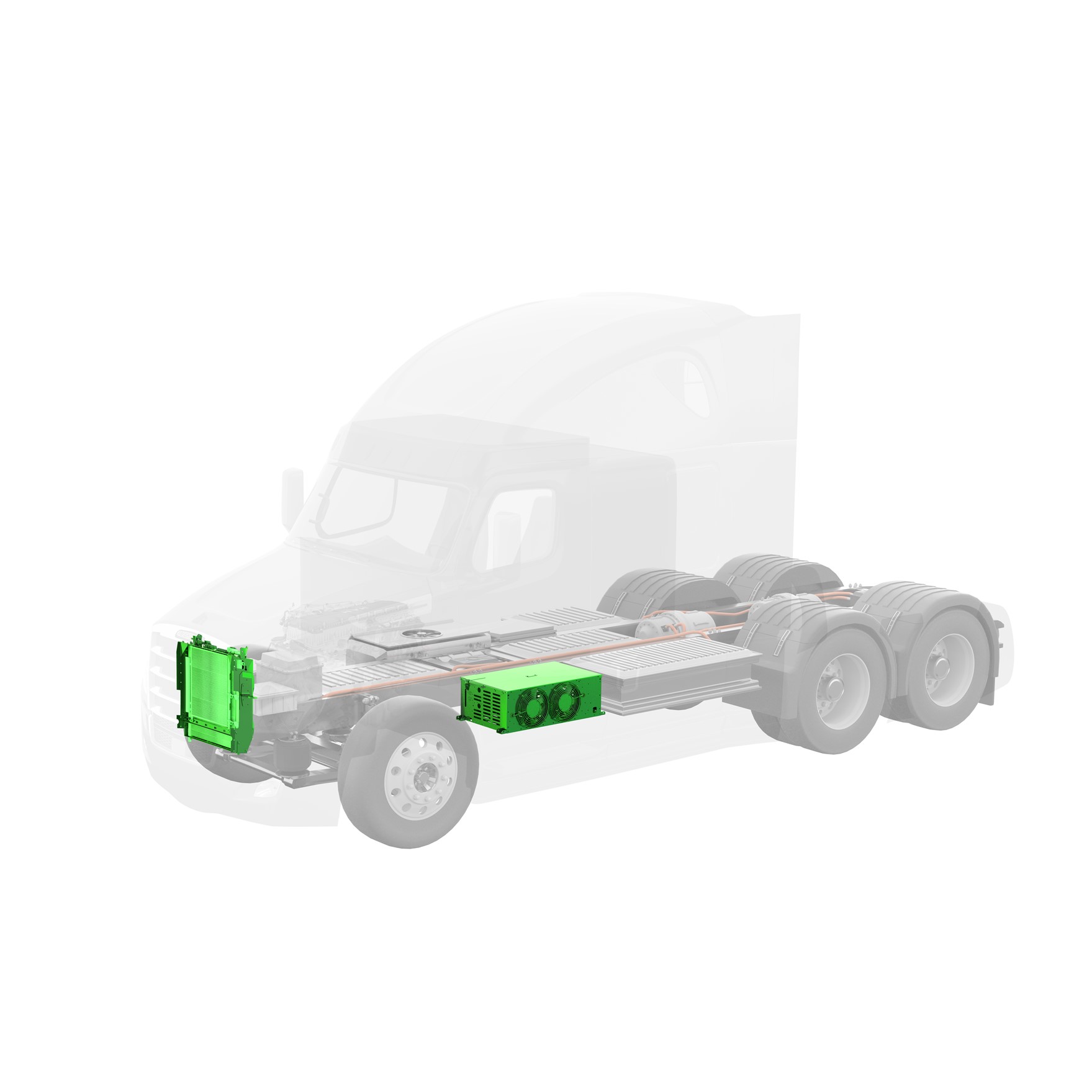
Every Electric Vehicle requires thermal management for the battery pack and power electronics for optimal operation. Careful management of temperatures can improve range, charging time, and minimize damage to critical vehicle subsystems to extend vehicle life. In fact, one source estimates that by optimizing thermal management systems, battery lifecycle costs can be reduced by 27%…
-
How It Works: Battery Thermal Management System
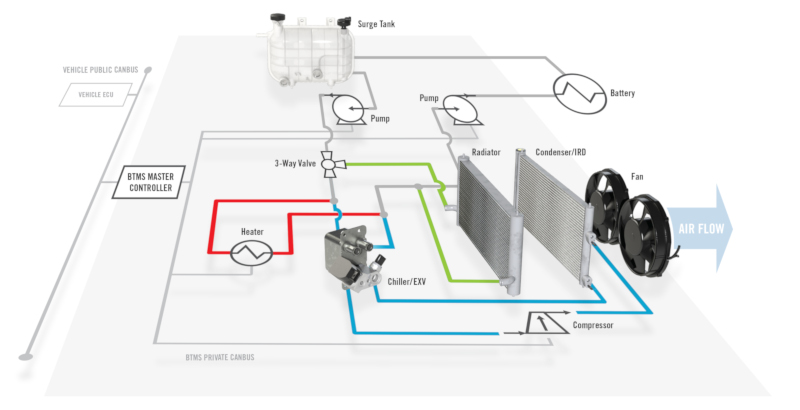
The Li-Ion battery cells used in today’s commercial electric vehicles are sensitive to temperature which will impact performance of the battery pack including range, voltage efficiency, charge time, and also improve cycle life of the battery pack. Cold battery pack temperatures can reduce the charge/ discharge capacity and power capabilities of the battery pack, as…
-
How It Works: Electronics Cooling Package
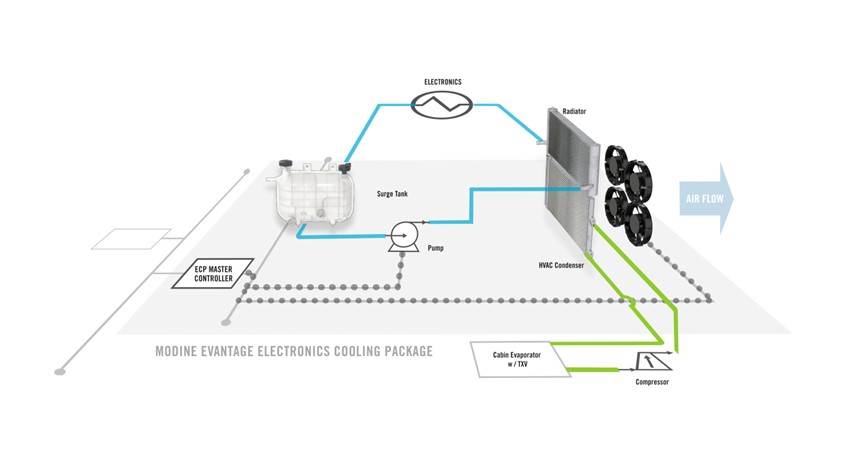
On a Commercial Electric Vehicle, the inverter, converter, OBC (On board charger) and traction motor will self-heat during operation. To improve performance, durability and safety, it is important to manage the temperature of these critical assets known as the power electronics. In general, heavy-duty vehicles demand and consume more power driven by far higher torque…